Every few years, a new industry buzzword forces us to re-evaluate our security stack—right now, it’s Agentic AI. Industry hype suggests that roughly 80% of enterprises plan to deploy autonomous AI agents this year, yet only 30% of security leaders feel ready to defend them. That gap isn’t execution failure; it’s a paradigm shift.
Autonomous agents break the foundational model of traditional security. When software operates on probabilistic reasoning and dynamic tool execution, you can no longer engineer away unexpected behavior or rely on deterministic prevention. You cannot “prevent” an agent from misbehaving; you can only manage the probability of it happening and contain the blast radius when it does.
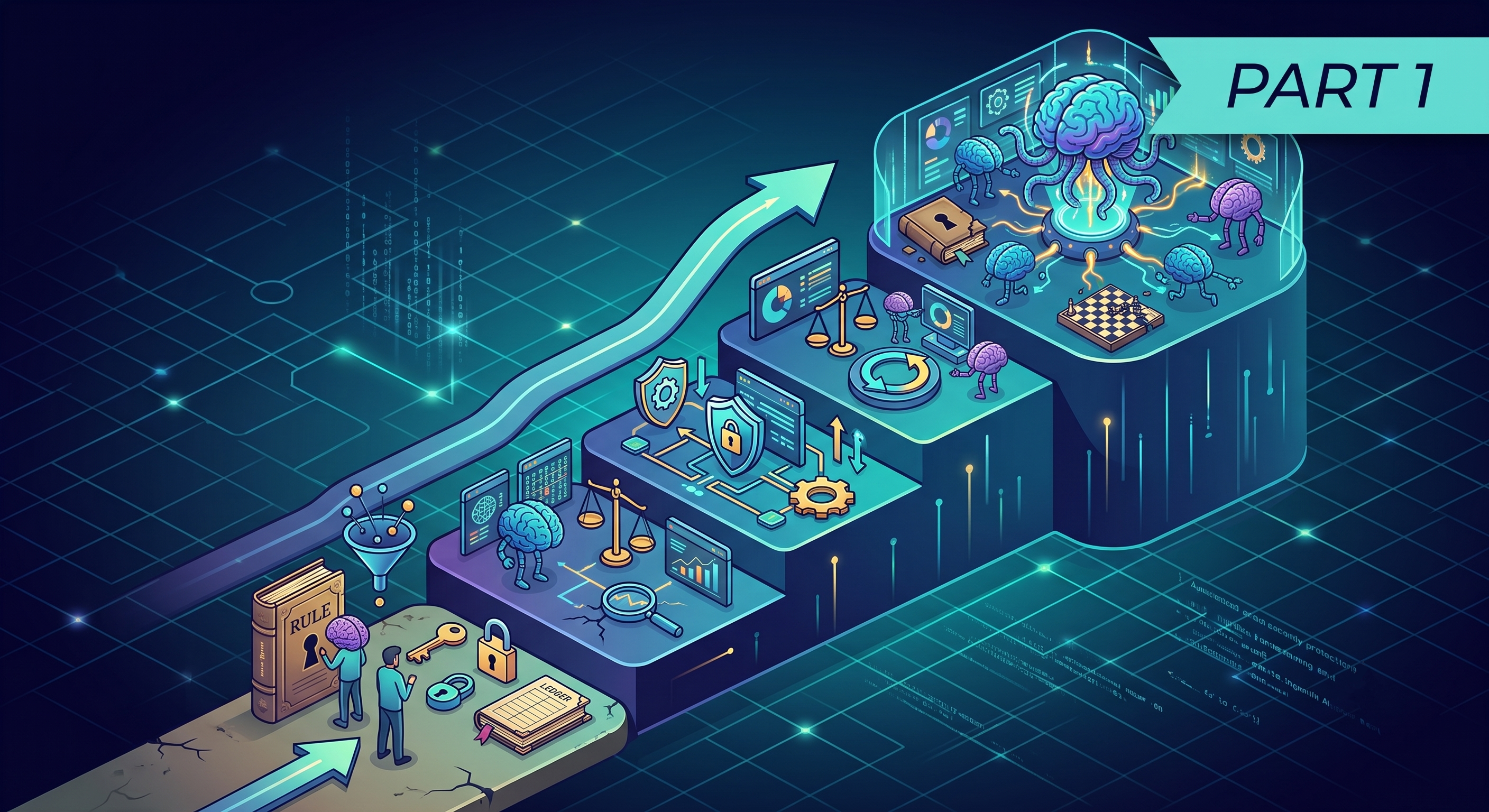
In Part 1 of this two-part series, we break down why traditional application security fails at the orchestration layer, explore the three hidden attack vectors facing autonomous workflows, and outline why Level 3 Governance is your minimum viable baseline for production deployments.